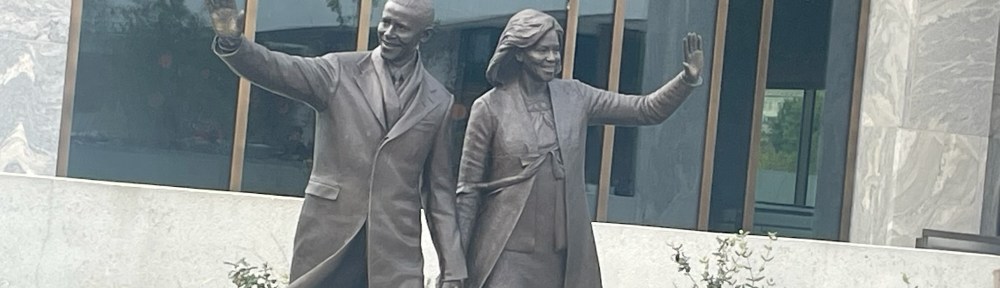
What an amazing time we had in Chicago. As a family doctor, I’ve learned over years of practice that some of the most meaningful insights come not from the walls of the clinic, but from the quiet moments when we allow ourselves to step off the path, wander, observe, and remember. This trip offered exactly that.
We began our afternoon standing at the inviting front of the Obama Presidential Center, deciding to simply let the winding paths guide us. The grounds are open to everyone even without a ticket—a design that feels beautifully intentional, accessible, and full of life. Every turn revealed something new: a pocket garden, a striking sculpture, a vibrant play space, or a sweeping skyline view that made us pause and draw a deep breath. While tickets to the museum itself are sold out well into next year (though you can sign up on their website to get notified when new dates open), the landscape alone tells a powerful story.
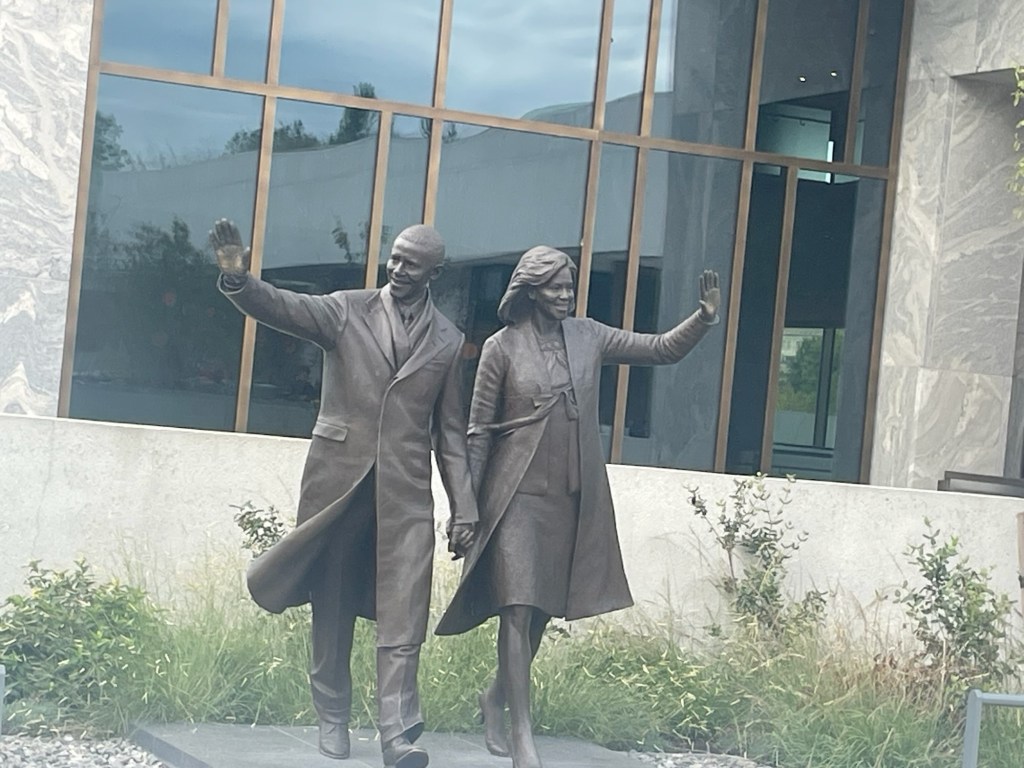
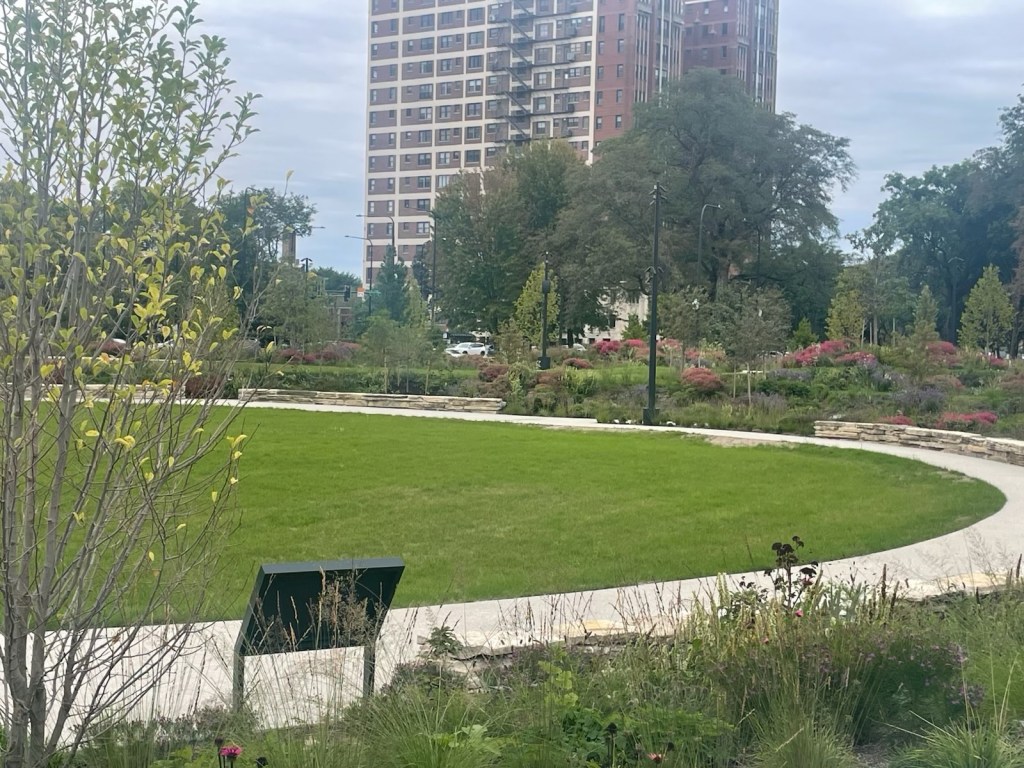
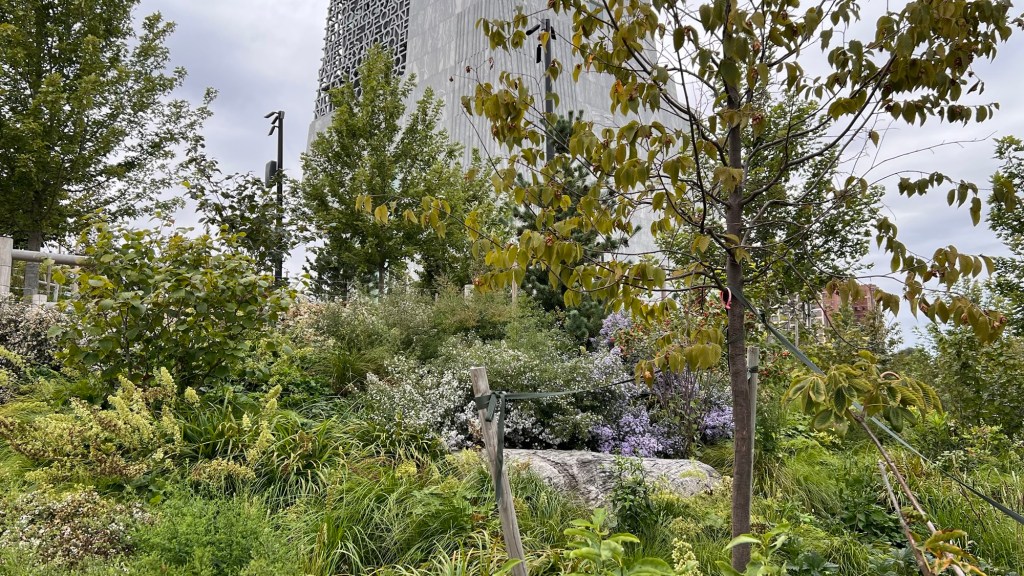
My colleague Dr. Karlene Williams and I were in Chicago for the Women in Medicine Summit—our first time attending but not our last. Friday afternoon, after a few hours of professional discussions, we felt pulled toward a different kind of learning: the kind that comes from walking through history rather than sitting in a lecture hall. So, we set our schedules aside and headed straight to the South Side.
That part of Chicago holds a deep, sacred meaning for me. It is where my grand-aunt landed decades ago when she made the courageous decision to pack up her life and leave Birmingham during the Great Migration. In July 2018, during the Arrington-Giddens Family Reunion, our family stood on those very same streets and witnessed firsthand how our ancestors built full, rich, dignified lives after fleeing the entrenched racism of the South. My grand-aunt and her brothers found safety, economic opportunity, and a vibrant community here—living proof of what becomes possible when people are finally allowed the space to breathe and bloom.
During that Family Reunion years ago, we toured the neighborhood, gazing up at the historic homes of icons like Muhammad Ali, Minister Louis Farrakhan, and the street where Michelle Obama grew up. Michelle Obama’s top-selling book captured so precisely what we felt riding through those avenues: the unshakable strength of South Side families, the southern roots that nourished them, and the profound resilience of those who migrated north seeking dignity and possibility. It had changed, but you could feel the soul.
Standing before the Obama Presidential Center that afternoon with its open design, soft natural light, and sweeping lines, I felt that exact same sentiment reflected in the architecture. This site was no accident. As Michelle Obama has reflected, wearing her South Side identity proudly as a badge of honor, building the Center here was about “giving a little something back to the people and place we both love so much” and making the neighborhood they call home a destination for the world.
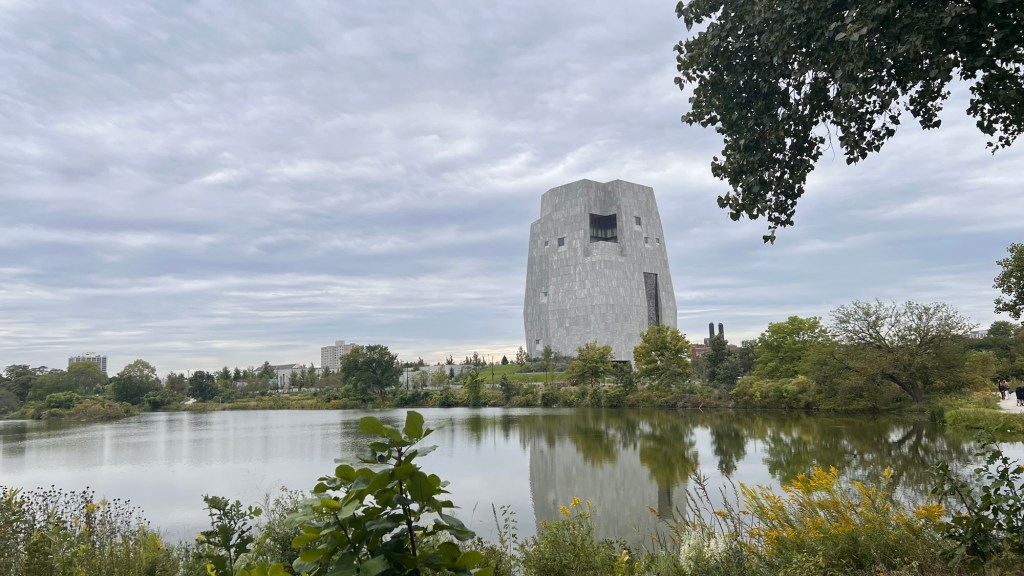
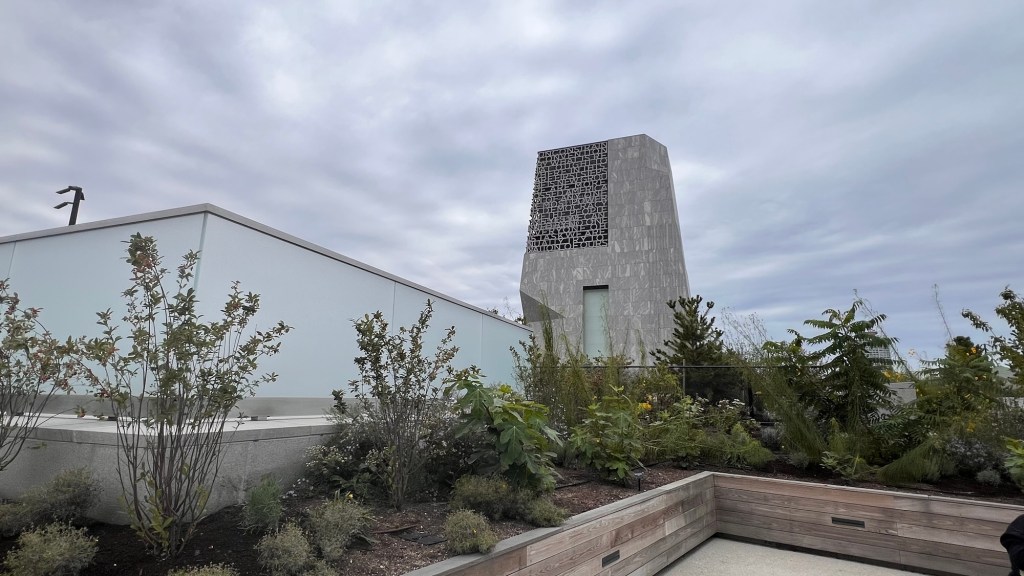
And Barack Obama echoed that same deep sense of gratitude when reflecting on his arrival in the city as a young organizer: “I found my purpose here, and I fortified my faith here. And I found my community here…” Standing there, seeing his famous words carved into the very concrete of the building—“America is not the project of any one person. The single most powerful word in our democracy is the word ‘We'”—I felt the truth of those words. The main structure rises with a sense of genuine welcome—bold yet inviting, grounded in history yet looking resolutely forward. This Center beautifully captures the inspiring journeys of families like mine, showcasing their incredible courage and determination as they build brighter futures while cherishing their roots. It stands as a testament to our shared legacy, honoring our past and celebrating our successes. Importantly, it reminds us that genuine progress thrives best when it embraces and uplifts the communities that have tirelessly contributed to it, creating a vibrant tapestry of hope and resilience!
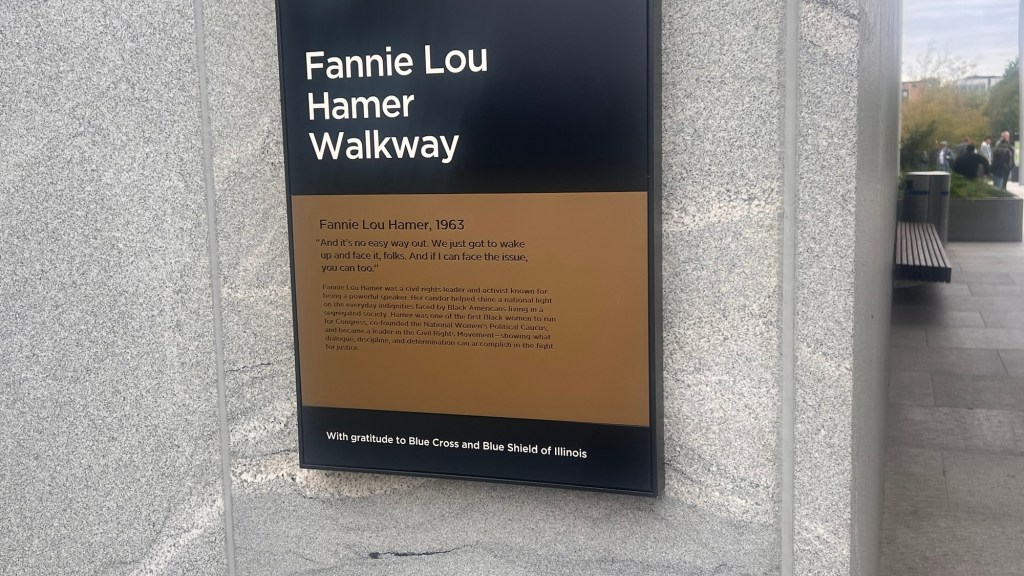
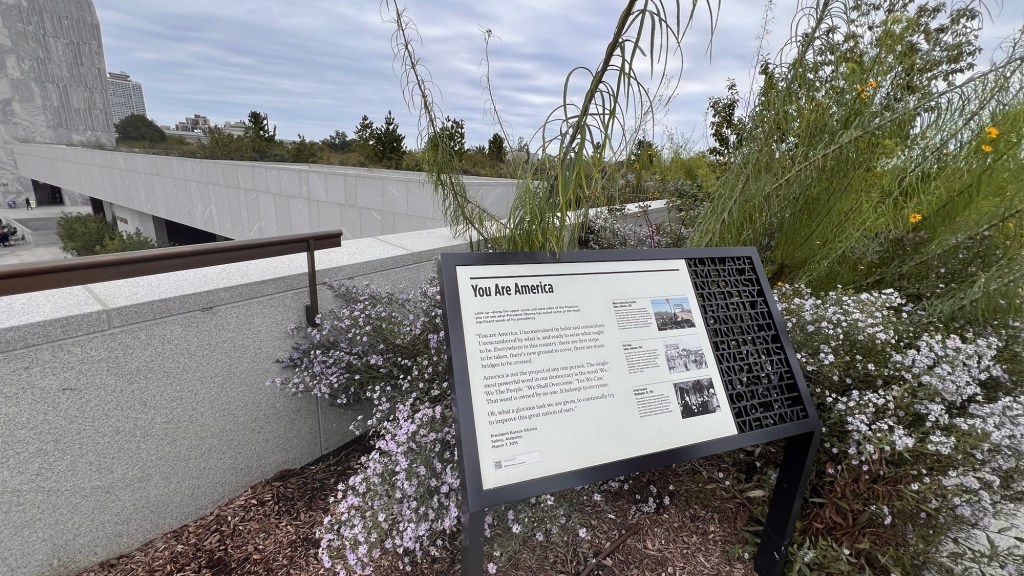
Walking the Grounds: Where Every Path Teaches Something
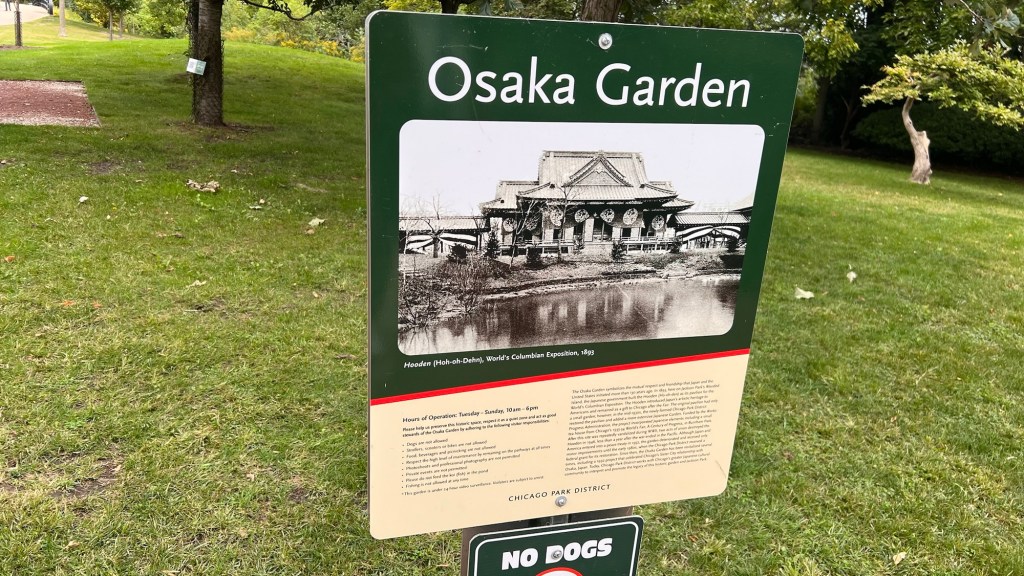
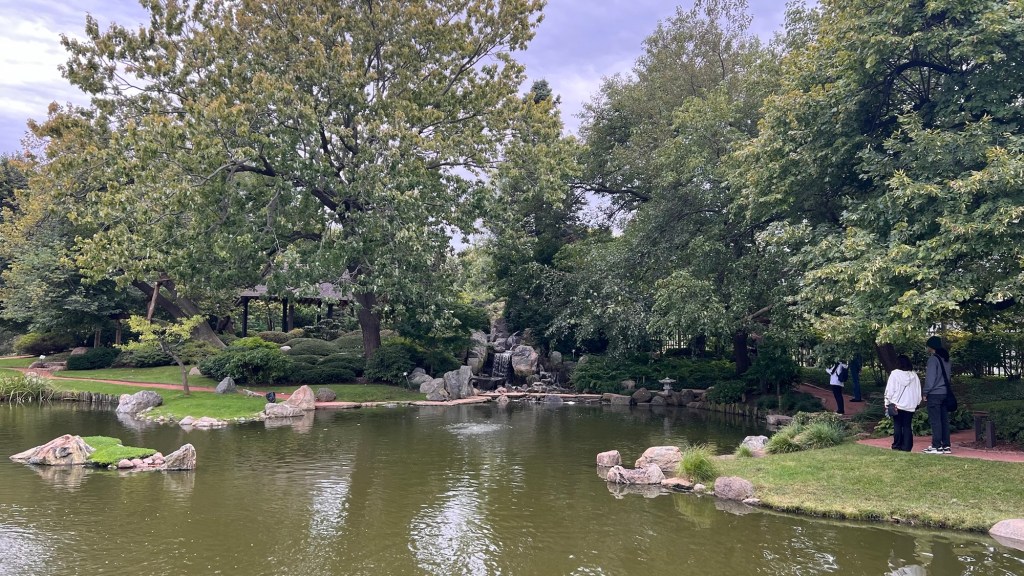
As we wandered the expansive grounds, our most unexpected and breathtaking discovery was the Osaka Garden. Tucked quietly into Jackson Park, stepping into it felt like crossing a threshold into another world entirely. The mirror-still water, the arched wooden and stone bridges, the meticulously sculpted greenery—all of it invited an immediate, settling quiet. It reminded me of those subtle, quiet moments in medicine where healing begins long before any prescription is written or diagnostic test ordered.
Every path we took seemed to offer its own gentle lesson:
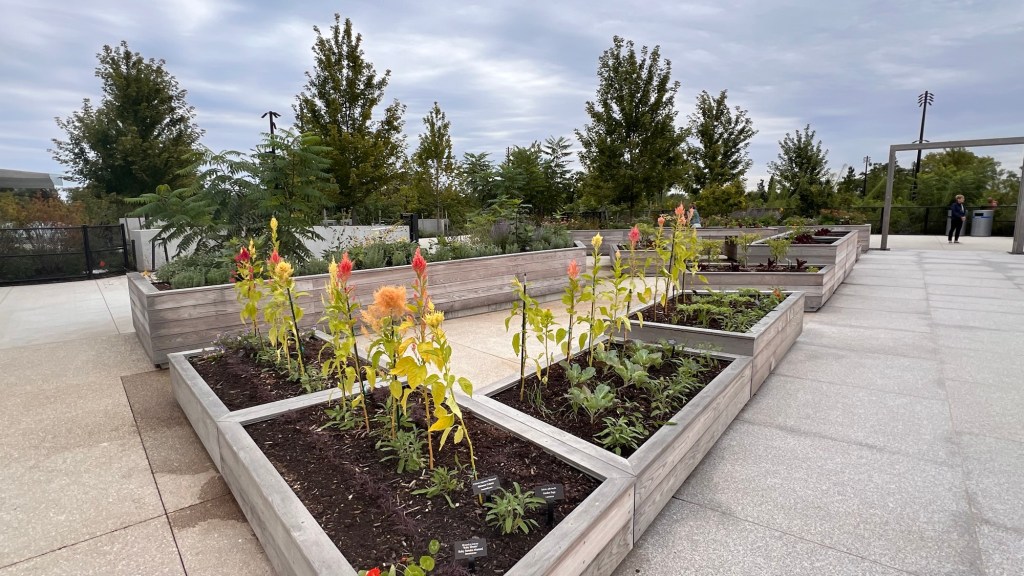
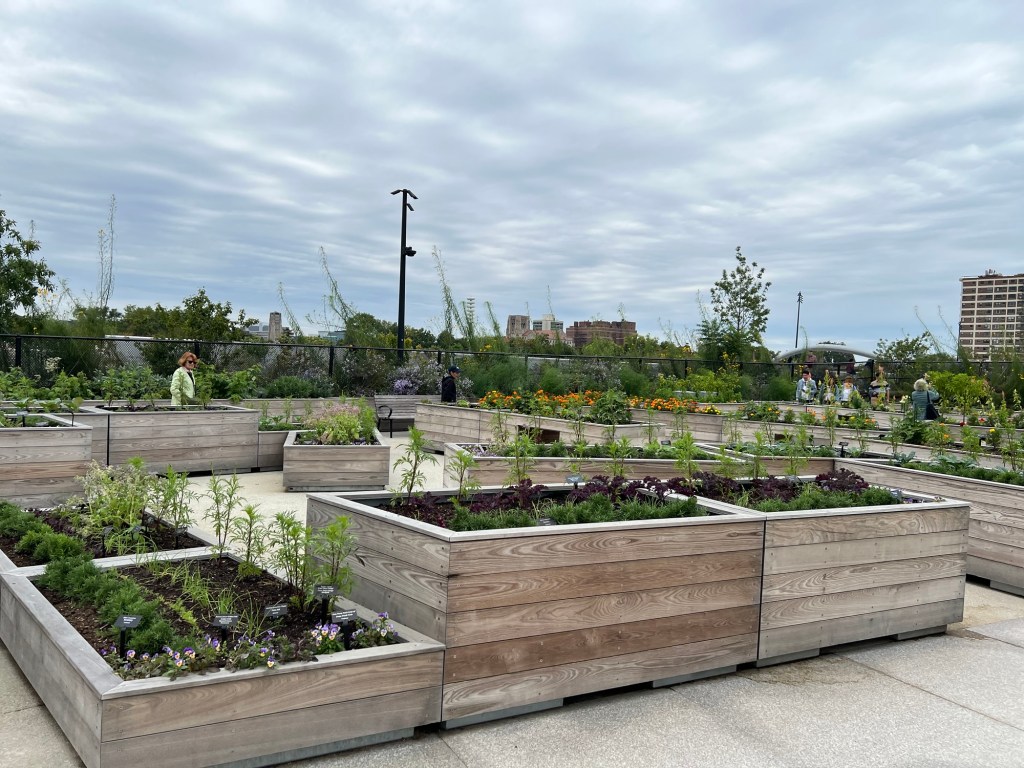
- The White House Kitchen Garden Replica: A living tribute to Michelle Obama’s national work in food education, nutrition, and community gardens. Reading the history displayed along the beds—how local school children helped tend the soil, harvest the crops, and learn about sustenance—served as a poignant reminder that community health always begins at the root: with equitable access, early education, and everyday care.
- The Library Building: We circled the structure from every angle, admiring its architectural courage. The building feels transparent and welcoming, clearly designed as an anchor for local gathering rather than an exclusive monument. It stands as a physical testament to leadership rooted in community service.
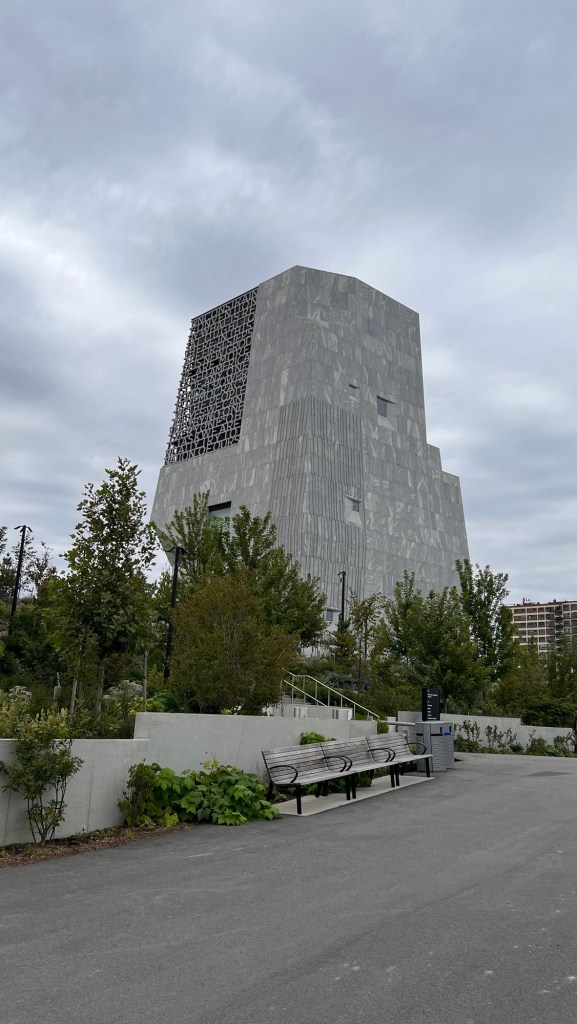
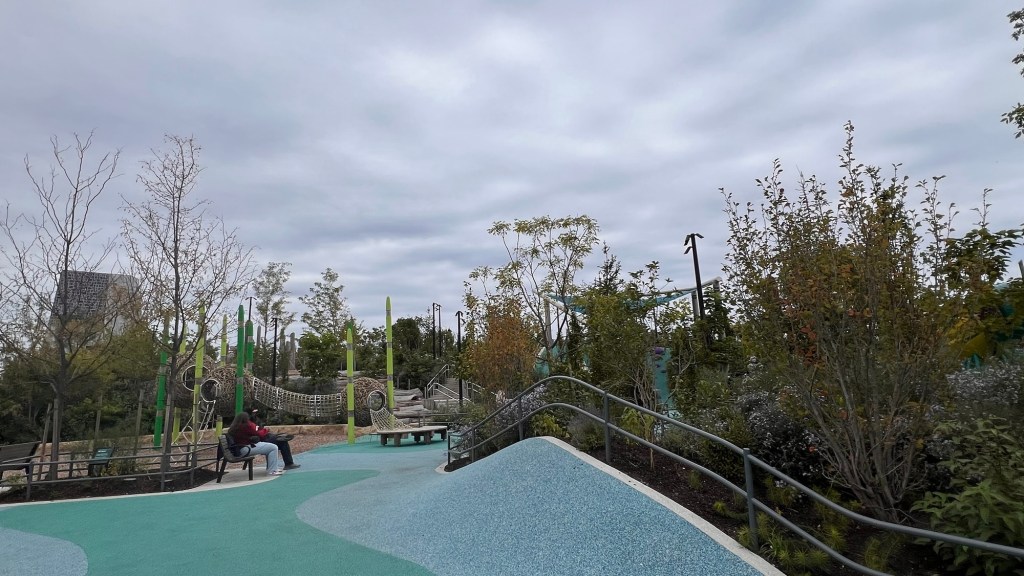
- The Playground & Gymnasium: Walking past the playground, filled with bright colors and the sound of children’s laughter, and the adjacent community gymnasium, it became clear these aren’t just decorative amenities. They are loud signals that the Center is meant to be lived in, played in, and utilized by neighbors, not just admired by distant tourists.
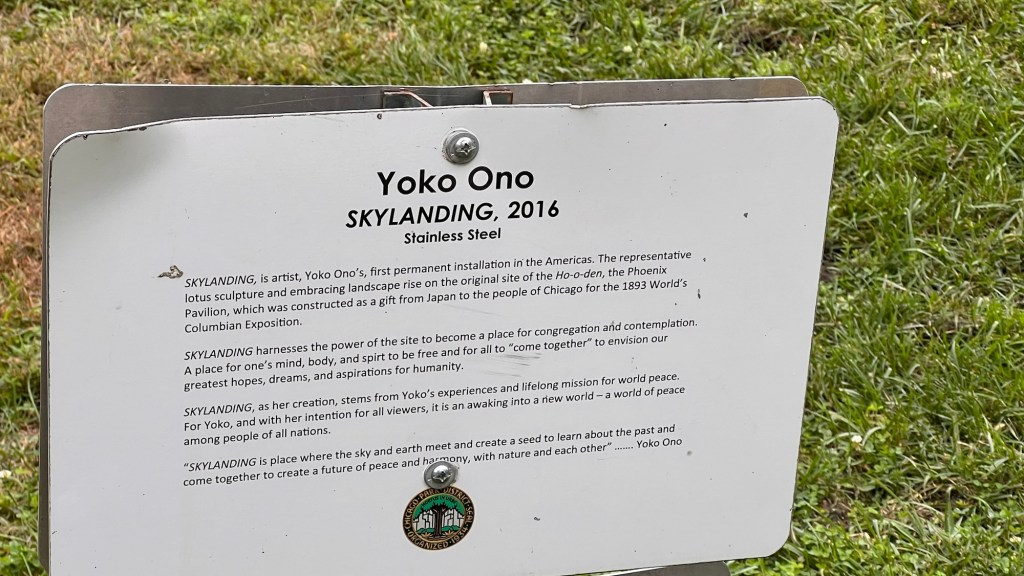
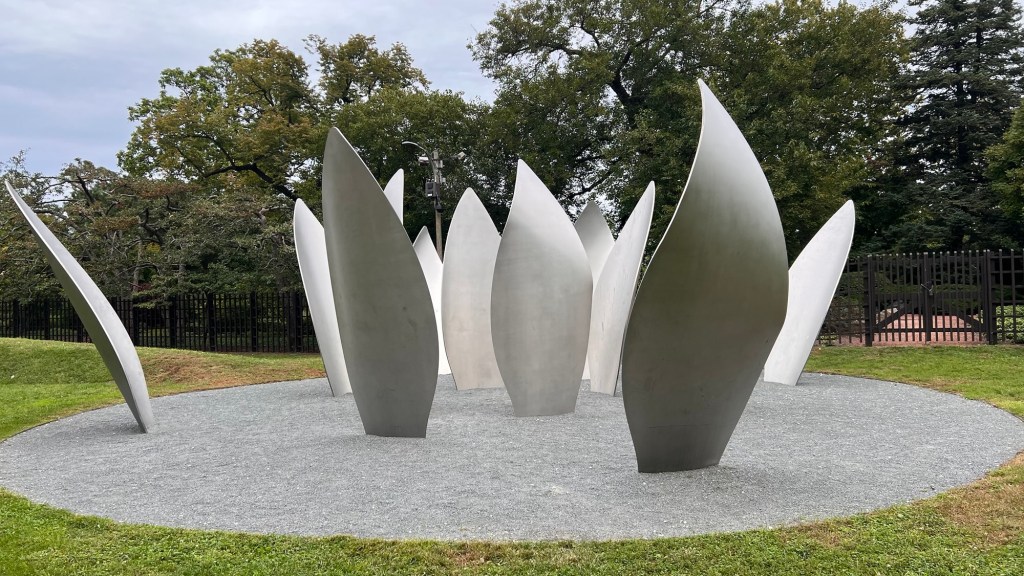
- Yoko Ono’s Skylanding: Reaching this striking sculpture was a highlight. Its tall, upward-reaching steel petals symbolize peace, healing, and global rebirth. Standing beneath it in the soft light, I felt both the heavy weight of historical struggle and the uplifting promise of transformation—a fitting focal point for a neighborhood that has witnessed so much pain, yet produced so much triumph.
A Place That Holds Our Stories
As I walked through the vibrant South Side, I felt a powerful connection to a rich tapestry of Black excellence, southern migration, and transformation. It’s truly inspiring to think that the first Black President and First Lady share such deep roots in a community that reflects the hopes and hard work of families like mine. This place is not just a backdrop; it embodies the legacies of leaders who have reshaped our nation and showcases the everyday resilience of its residents. I carry this spirit back with me, reminding me of the incredible strength and potential that continues to define the South Side today. It fills me with optimism for the future.
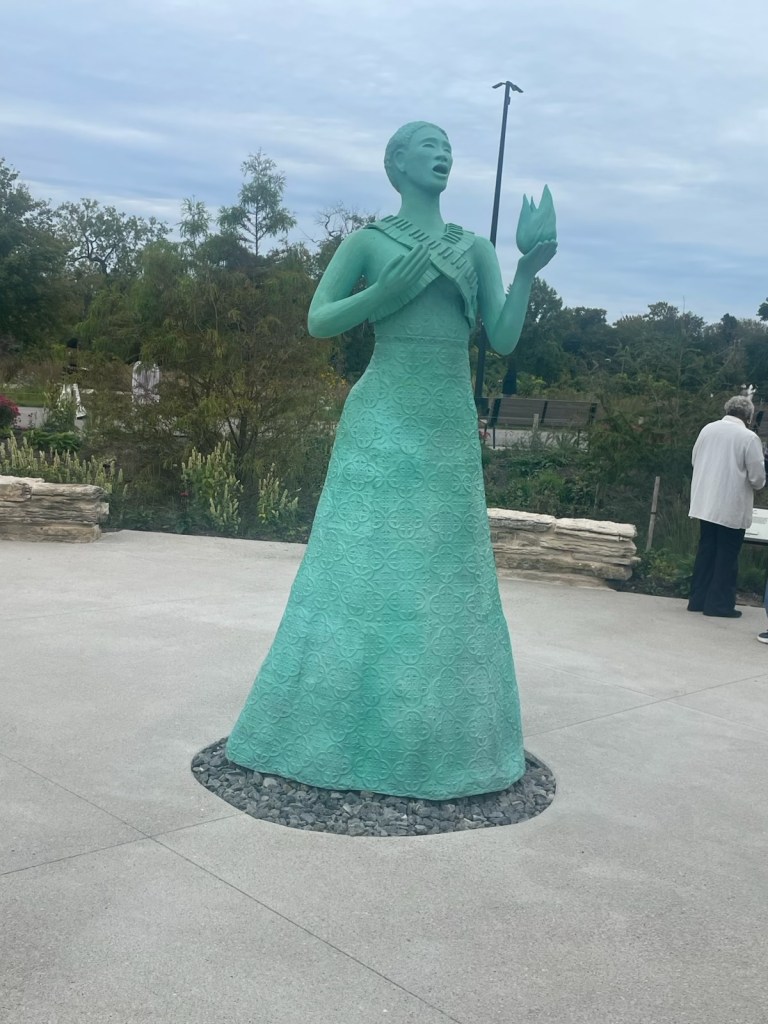
I’ll be sharing more of this journey through photos soon, because sometimes an image can hold the depth of a moment in a way words can only begin to describe.
What I carried home from this trip was simple yet profound: every path we walk—whether in medicine, in our family histories, or along the quiet gardens of Chicago—offers something vital worth discovering when we allow ourselves to slow down, pay attention, and listen.


I’m eager to go to the Obama center. A year in advance! That’s difficult to plan. Will try. Thanks for sharing your visit and reflections.